

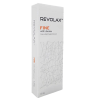
Revolax Sub-Q with Lidocaine
Revolax Sub-Q is one of the densest Revolax fillers available on our website. Its active substance is hyaluronic acid – a natural substance optimized with a unique cross-linking technology for a more prolonged effect and natural-looking results. The concentration of HA is 24mg/ml, so the average longevity patients can expect is up to 18 months. As a bonus, lidocaine in the ingredients list guarantees a painless and comfortable experience; however, this nuance must be discussed with a patient in advance because lidocaine allergy is common. Still, some alternatives can be used instead of lidocaine-containing dermal fillers, so it’s better to discuss those in advance.
Lidocaine Revolax Sub-Q, just like Revolax Deep, is an excellent option for contouring and facial features definition. It settles well in the human skin tissue, rarely irritates it, and provides immediate results after just one appointment.
FillerSupplies only works with board-certified professionals. To place your order here, you must be an experienced specialist with proper education. If you want to buy Revolax Sub-Q to use it in your clinic, contact our managers to receive all the essential details on this topic.
What Is Revolax Sub-Q Used for?
Revolax Sub-Q gel is meant to be administered into the deep subcutaneous layer of the skin to enhance volume, improve features, and generally boost the appearance. It’s a little denser than Recolax Deep and thus works well for the following purposes:
Essential Safety Information
Side Effects
Revolax Sub-Q is among the denser dermal fillers for skin rejuvenation. And even though its main ingredient is hyaluronic acid, which settles in the body pretty well, some individuals still experience discomfort and irritations after the injection session. The nature of the cosmetic procedure can easily explain it: Revolax is an unknown solution, and the body needs time to recognize it as safe after the treatment. On top of that, the infusion is done with the needle, and it leaves punctures on the skin surface, leading to bruising, swelling, and redness. In general, patients need a few hours to a few days to recover completely after the session and for all topical irritations to fade away.
Be the first to review “Revolax Sub-Q with Lidocaine”
Related products
Dermal Fillers
Alidya
Belotero

Belotero
Belotero

Reviews
There are no reviews yet.